
Viagra Super Active — answers to the main questions
Disclaimer: This article is for informational purposes only and does not replace professional medical advice, diagnosis, or treatment. Always consult a licensed healthcare provider regarding erectile dysfunction (ED) or the use of sildenafil-containing products.
Frequently asked questions (FAQ block at the beginning)
What is Viagra Super Active?
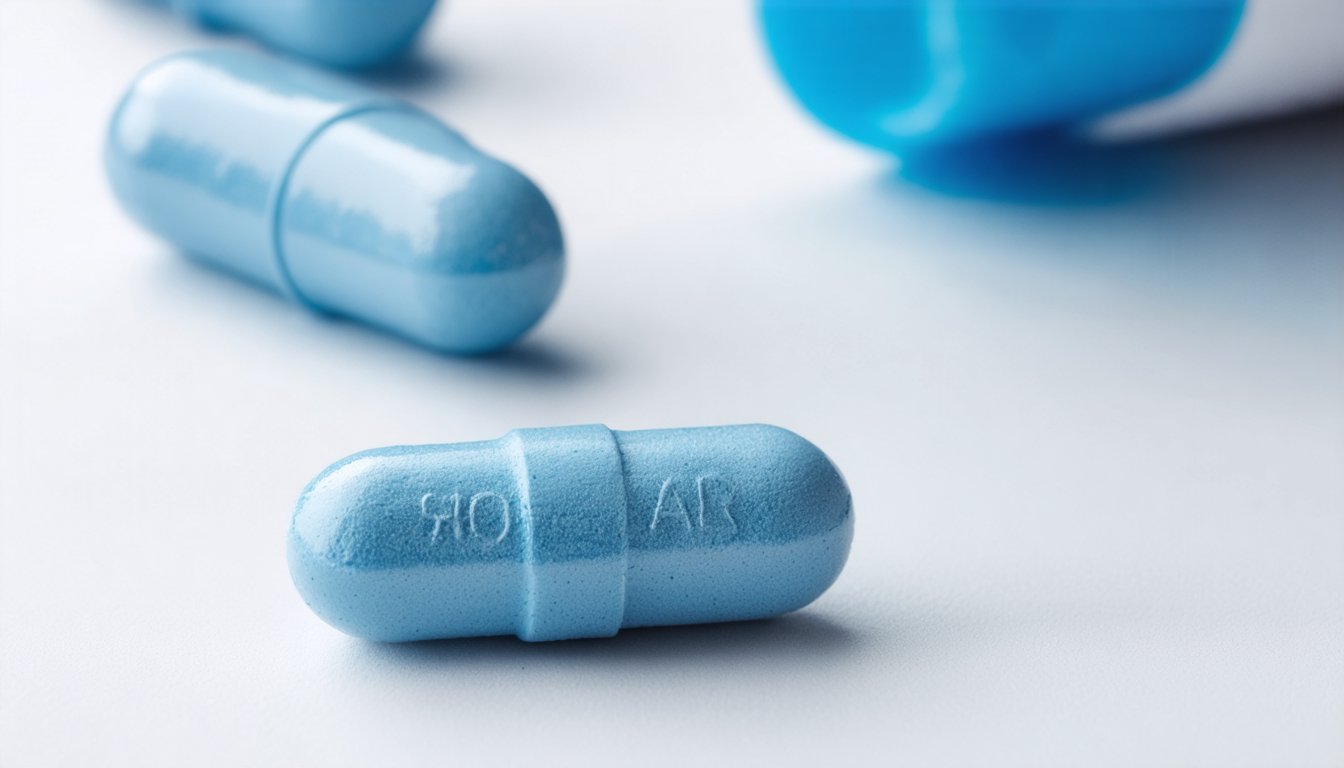
Viagra Super Active is a formulation of sildenafil citrate, a phosphodiesterase type 5 (PDE5) inhibitor used to treat erectile dysfunction. The “Super Active” version is typically marketed as a softgel capsule designed for faster absorption compared to standard tablets. Sildenafil increases blood flow to the penis during sexual stimulation, helping achieve and maintain an erection.
How does Viagra Super Active work?
Sildenafil blocks the PDE5 enzyme, which regulates blood flow in the penis. By inhibiting this enzyme, it enhances the natural nitric oxide–cGMP pathway, allowing blood vessels to relax. It works only in the presence of sexual arousal and does not automatically cause an erection.
Why does erectile dysfunction happen?
ED may result from cardiovascular disease, diabetes, hormonal imbalance, neurological disorders, stress, anxiety, or medication side effects. Lifestyle factors such as smoking, obesity, and physical inactivity also contribute. Understanding the cause helps determine whether sildenafil or another approach is appropriate.
How quickly does Viagra Super Active start working?
Softgel formulations are often promoted as acting faster than conventional tablets because they dissolve more quickly. On average, sildenafil may begin working within 30–60 minutes. Individual response depends on metabolism, food intake, and overall health.
How long do the effects last?
The effect of sildenafil generally lasts up to 4–5 hours, though this does not mean a continuous erection. The window refers to improved ability to achieve an erection with stimulation. Duration varies from person to person.
Is Viagra Super Active different from regular Viagra?
The active ingredient (sildenafil citrate) is the same. The difference lies mainly in the dosage form and marketing claims about faster onset. Always verify the product source, as not all “Super Active” versions are approved by regulatory authorities.
Is it safe for everyone?
No. Sildenafil is contraindicated in people taking nitrates for chest pain and in certain heart conditions. It may not be appropriate for individuals with severe liver or kidney disease without medical supervision.
What side effects are possible?
Common side effects include headache, flushing, nasal congestion, indigestion, and dizziness. Rare but serious effects may include sudden vision or hearing changes, chest pain, or a prolonged erection lasting more than four hours (priapism). Immediate medical attention is required in such cases.
When should I see a doctor for ED?
If erectile problems persist for more than a few weeks, worsen, or are accompanied by other symptoms such as chest pain or hormonal changes, consult a healthcare provider. ED can be an early sign of cardiovascular disease. Early evaluation improves long-term outcomes.
Can I take Viagra Super Active with alcohol?
Excessive alcohol may reduce effectiveness and increase the risk of side effects such as dizziness and low blood pressure. Moderate alcohol consumption should be discussed with a physician, especially if other medications are involved.
Is it possible to buy Viagra Super Active online?
Yes, but only through licensed pharmacies. Many online products marketed as “Super Active” may be counterfeit. Always ensure the pharmacy requires a valid prescription and is properly regulated.
Does it increase sexual desire?
No. Sildenafil does not increase libido. It improves the physiological response to sexual stimulation but does not affect sexual desire directly.
Detailed breakdown
1. Mechanism of action and pharmacology of sildenafil
Sildenafil belongs to the PDE5 inhibitor class. By enhancing cGMP levels in smooth muscle tissue, it promotes vasodilation in penile arteries. This mechanism supports erection only when sexual stimulation triggers nitric oxide release. It does not alter testosterone levels or cure the underlying cause of ED.
2. Causes and risk factors of erectile dysfunction
ED often reflects systemic health issues. Cardiovascular disease, hypertension, diabetes, metabolic syndrome, and psychological stress are major contributors. Addressing risk factors—such as improving diet, increasing physical activity, and managing chronic conditions—is often as important as medication. Learn more in our Health section about lifestyle-related risk factors.
3. Safety considerations and contraindications
Men taking nitrates (e.g., nitroglycerin) or certain guanylate cyclase stimulators must not use sildenafil due to the risk of severe hypotension. Caution is also needed with alpha-blockers, antihypertensives, and some antifungal or antibiotic medications. A full medication review with a healthcare provider is essential.
4. Recognizing urgent situations
Although most side effects are mild, some require immediate attention. Priapism (erection lasting more than 4 hours), sudden loss of vision, sudden hearing decrease, or chest pain during sexual activity are emergencies. ED combined with symptoms like shortness of breath or chest discomfort may indicate heart disease.
| Symptom / Situation | Urgency level | Where to seek help |
|---|---|---|
| Erection lasting more than 4 hours | Emergency | Emergency department immediately |
| Chest pain during or after sexual activity | High | Call emergency services |
| Sudden vision or hearing loss | High | Urgent medical evaluation |
| Mild headache or flushing | Low | Discuss at next doctor visit |
| Persistent ED despite medication | Moderate | Primary care physician or urologist |
5. Psychological and relational aspects
Performance anxiety, depression, and relationship stress can contribute to ED. In some cases, combining medical treatment with counseling improves results. You may explore related topics in our Psychology & Wellness articles for a broader understanding.
Checklist: what you can do today
- Schedule a medical evaluation if ED is new or worsening.
- Review your current medications with a healthcare provider.
- Check blood pressure, blood sugar, and cholesterol levels.
- Adopt heart-healthy habits (balanced diet, regular exercise).
- Limit smoking and excessive alcohol intake.
- Manage stress through counseling or relaxation techniques.
- Purchase medications only from licensed pharmacies.
- Read official patient information leaflets carefully.
- Seek immediate care for alarming symptoms.
- Explore more educational materials in our Pharmacy & Medication guide.
Sources
- U.S. Food and Drug Administration (FDA) — Sildenafil prescribing information.
- European Medicines Agency (EMA) — Public assessment reports for sildenafil.
- American Urological Association (AUA) — Guidelines on Erectile Dysfunction.
- National Institute of Diabetes and Digestive and Kidney Diseases (NIDDK) — Erectile Dysfunction overview.
- Mayo Clinic — Erectile dysfunction: Symptoms and causes.
- World Health Organization (WHO) — Cardiovascular disease risk factors.
