
When purchasing a building for retail operations, the historical cost could include the purchase price, transaction fees, and any improvements made to the building to bring it to use. Property, plant, and equipment (PP&E) are long-term tangible assets vital to business operations. The overall value of a company’s PP&E can range from very low to extremely high compared to its total assets.
2: Entries for Cash and Lump-Sum Purchases of Property, Plant and Equipment
Depreciation expenditures, on the other hand, are the appropriate part of the cost of a company’s fixed assets for the time period. Depreciation is a non-cash expenditure that decreases the company’s net profits and is recorded on the income statement. A plant asset is any asset that can be utilized to produce revenue for your company.
Company
Founded in 1993, The Motley Fool is a financial services company dedicated to making the world smarter, happier, and richer. The cost incurred would include legal fees, commissions, plant asset borrowing costs up to the date when the asset is ready for use, etc., are some of the examples. Depreciation is the wear and tear of the asset, which occurs due to its daily usage.
Understanding Noncurrent Assets
Furthermore, it is expected that the benefits gained from the asset will extend beyond a time span of one year. Next, the business must ensure that it is used for the business purpose and not kept as inventory for selling later on. Thus, for accounting and plant asset disposal, they are recorded at cost, and are depreciated over the estimated useful life, or the actual useful life, whichever is lower. Finally, if required, the business or the asset owner has to book the impairment loss.
Balance Sheet
Selling property, plant, and equipment to fund business operations may signal financial trouble. Companies can also borrow from their PP&E as a floating lien, meaning the equipment can be used as collateral for a loan. Current assets are short-term assets like inventory and are likely to be converted into cash within one year. This includes purchase price, shipping costs, installation charges and any other costs directly attributable to bringing the asset to its working condition. Plant assets, also known as property, plant, and equipment (PP&E), are tangible assets with a useful life of more than one year.
Though plant assets are sometimes seen as expensive, not all have the same value or are prioritized by a company. This would include long term assets such as buildings and equipment used by a company. Plant assets (other than land) will be depreciated over their useful lives. Compared to Exxon’s total assets of over $354 billion for the period, PP&E made up the vast majority of total assets.
If the market value of the common stock is not determinable, then the market value of the property should be established and used as the basis for recording the asset and issuance of common stock. (b) Assets acquired by gift or donation—when assets are acquired in this manner a strict cost concept would dictate that the valuation of the asset be zero. However, in this situation, accountants record the asset at its fair value.
Property, plant and equipment includes bearer plants related to agricultural activity. Monte Garments is a factory that manufactures different types of readymade garments. The company also has a printing press for printing customized merchandise with brand designs. A new press technology has just launched in the market, and the company owner decided to acquire the machine.
As the fixed assets last longer, the expenses are divided over the item until they’re useful. When a plant asset is acquired by a company that is expected to last longer than one year, it is recorded in the balance sheet at the end of the financial year. Besides, a part of the asset’s cost is charged to expenses account as a non-cash expense, depreciation.
- In any case, owing to price and duration, property held by a company is generally the most valuable asset.
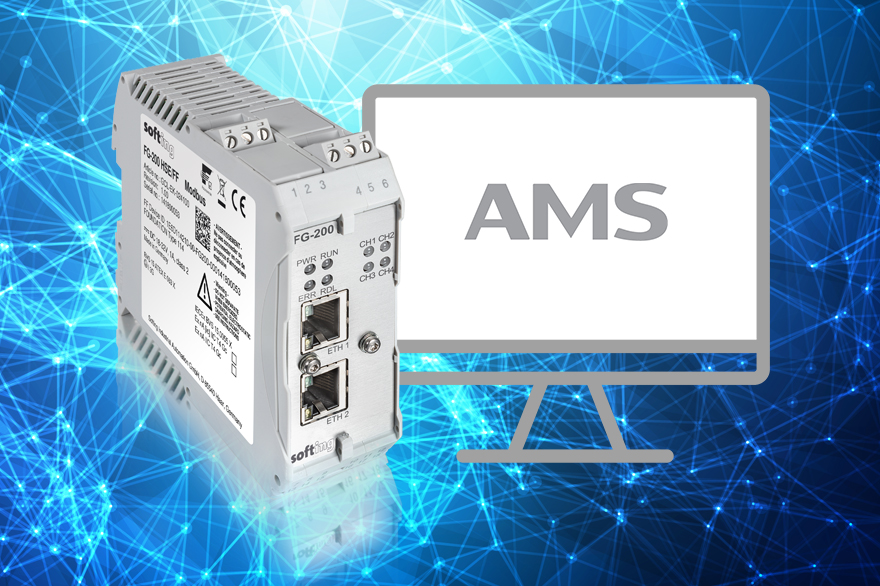
- By implementing asset management software, companies can achieve better visibility into their asset performance, reduce maintenance costs, and extend the lifespan of their equipment.
- On a business’s balance sheet, capital assets are represented by the property, plant, and equipment (PP&E) figure.
- The bookkeeper would record the transaction by debiting the plant assets account for $100,000 and crediting the cash account for the same.
- The cost incurred would include legal fees, commissions, borrowing costs up to the date when the asset is ready for use, etc., are some of the examples.
Examples of noncurrent assets include investments in other companies, intellectual property (e.g. patents), and property, plant and equipment. Accumulated depreciation is an asset account with a credit balance known as a long-term contra asset account that is reported on the balance sheet under the heading Property, Plant and Equipment. However, a more realistic figure for cost of equipment results if the plant asset account is charged for overhead applied on the same basis and at the same rate as used for production.
The total cost, including shipping and installation, comes to £110,000. Here’s an overview of GE Vernova’s business and whether the stock would benefit investors’ portfolios.
