

Understanding the Importance of User Dashboards
User dashboards have become integral to many applications and platforms, allowing users to navigate and manage information effectively. With the exponential growth of data, users require tools that can present information succinctly and intuitively. A well-designed user dashboard not only enhances user experience but also streamlines workflow and decision-making. For those engaged in online platforms, such as gamblers looking to manage their accounts, the significance of user dashboards becomes even clearer. For instance, if you are securing your gaming account, utilizing a comprehensive dashboard can help you navigate the User Dashboard 1×bet login and perform transactions effortlessly.
What is a User Dashboard?
A user dashboard is a graphical user interface that organizes and displays information in a way that is easy to comprehend and interact with. Dashboards aggregate and visualize data from various sources, providing users with a bird’s-eye view of key metrics, trends, and performance indicators. They are essential in applications ranging from business intelligence tools to social media analytics, e-commerce platforms, and gaming websites.
Key Features of Effective User Dashboards
A successful user dashboard should incorporate several key features to enhance user experience:
- Data Visualization: Charts, graphs, and infographics help present complex data in a digestible format.
- Customization: Users should have the ability to customize their dashboards to display the metrics that matter most to them.
- Real-Time Updates: Live data feeds allow users to make timely decisions based on the most current information.
- Interactivity: Users should be able to interact with the data through filters, clickable charts, and drill-down functionalities.
- User-Friendly Design: An intuitive layout that prioritizes usability will ensure users can navigate the dashboard without confusion.
The Role of User Dashboards in Different Domains
From business to personal use, user dashboards play a crucial role in various environments:
1. Business Intelligence
In business settings, dashboards provide key insights into performance metrics, sales trends, and customer behavior, enabling organizations to make informed decisions. They help identify underperforming areas and highlight opportunities for growth, essentially serving as a strategic tool for management.
2. E-commerce
For e-commerce platforms, dashboards help track sales performance, customer engagement, and inventory levels. With real-time data, businesses can optimize their strategies to enhance customer experience and drive sales.
3. Personal Finance
Personal finance management applications leverage dashboards to show users their spending habits, budgets, and investment performance. By presenting this information clearly, users can make informed financial decisions and achieve their financial goals more effectively.
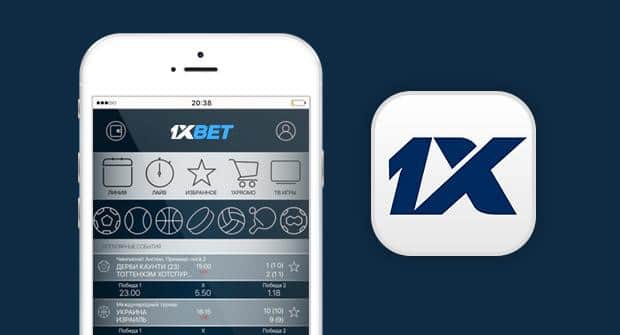
4. Gaming Platforms
In the realm of online gaming, dashboards enable users to monitor their game statistics, financial transactions, and account information. This is particularly crucial in platforms where users engage in transactions, as they need to manage their accounts responsibly and securely. An efficient user dashboard can enhance their overall gaming experience.
Designing an Effective User Dashboard
The design process for an effective user dashboard should follow several best practices:
1. Understand Your Users
Before designing a dashboard, understanding the target audience is crucial. Conduct user research to determine what data users need and how they prefer to interact with it.
2. Define Clear Objectives
The dashboard’s purpose should be clearly defined. Establish which key metrics and indicators are essential for users and focus on displaying these elements prominently.
3. Prioritize Usability
Usability should be at the forefront of the dashboard design. Ensure that navigation is straightforward, and that users can easily locate the information they need without unnecessary clicks or complications.
4. Use Visual Hierarchy
Effective use of visual hierarchy helps direct users’ attention to the most critical data first. Utilize size, color, and spacing to emphasize important information.
5. Implement Responsive Design
With users accessing dashboards from a variety of devices, responsive design is essential. Ensure the dashboard displays correctly on different screen sizes and maintains functionality regardless of the device used.
Conclusion
In the digital age, user dashboards are more than just data presentation tools; they are pivotal in enhancing user experiences across platforms. By effectively aggregating and visualizing data, these dashboards enable users to make informed decisions and manage their activities efficiently. As industries evolve and data becomes increasingly abundant, the role of user dashboards will only continue to grow in significance, shaping how users interact with technology and ultimately driving better outcomes.
