

How to Verify Game Fairness
In the ever-evolving world of online gaming, maintaining fairness and trust is paramount for both players and developers. As technology advances, so do the methods of gaming. Ensuring that a game is fair can enhance the user experience significantly. This guide will explore various strategies to verify the fairness of games, including algorithms, randomness, and transparency. For a fair and reliable gaming experience, consider platforms like How to Verify Game Fairness at Bitfortune Casino Bitfortune platform info, which emphasize game integrity and user trust.
Understanding Game Fairness
Game fairness is often defined as the principle that all players have equal chances of winning and that outcomes are not manipulated. This includes both the game mechanics and the underlying algorithms that govern player interaction. Fairness is crucial in maintaining a healthy gaming environment, preventing cheating, and ensuring that users can trust the platform they are playing on.
Key Aspects to Verify Game Fairness
To ensure game fairness, you should focus on several critical aspects. These include:
- RNG (Random Number Generation): The RNG systems should be robust and independently validated to ensure they produce random results.
- Game Algorithms: Review the algorithms employed in games to determine if they are fair and unbiased. This includes examining payout rates and probabilities.
- Third-Party Audits: Look for games or platforms that have been audited by independent third parties, providing an additional layer of transparency.
- User Reviews and Feedback: Always check user reviews and experiences regarding the fairness of the games offered.
- Licensing and Regulation: Ensure that the gaming platform is licensed and regulated by a reputable authority, which adds to its credibility.
Random Number Generators (RNG)
The core of many games’ fairness lies in the RNG technology used to ensure randomness in outcomes. A truly random number generator operates on complex algorithms that produce outcomes that are impossible to predict. Here are ways to verify the effectiveness of RNG in games:
- Certification: Many trusted gaming platforms will have their RNGs certified by recognized testing laboratories. Look for this certification as a mark of authenticity.
- Documentation: Reputable game developers provide documentation explaining how their RNGs work and assuring players of their fairness.
- Mathematical Analysis: Some independent researchers and organizations conduct statistical analysis on game outcomes. Check for any published studies or documentation on game performance.
Game Algorithms and Payout Rates
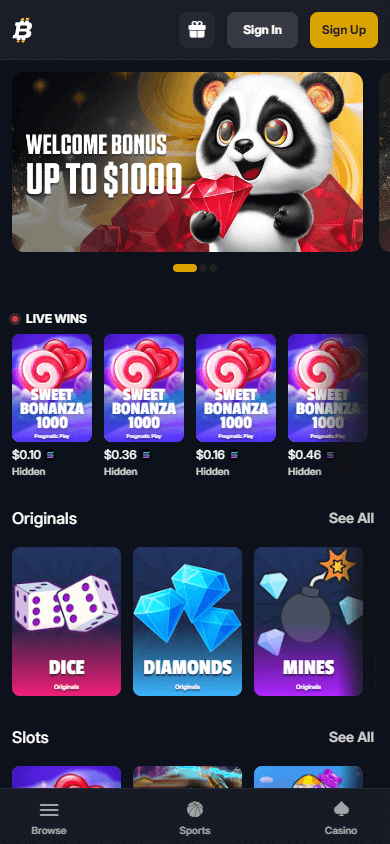
Another critical factor in game fairness is how payouts are structured. Many games will publicly disclose their RTP (Return to Player) percentages. This statistic informs players the average return a player can expect over time. Here’s how you can assess game algorithms:
- Payout Transparency: Choose games that openly share their RTP percentages. This transparency fosters trust among players.
- Comparative Studies: Research if there are comparative studies available that analyze and review different games and their algorithms.
- Performance Testing: Some platforms allow users to test gameplay performance to validate claims made by developers about their odds and algorithms.
Third-Party Audits
Independent third-party audits are crucial in verifying game fairness. Organizations such as eCOGRA and iTech Labs carry out regular audits on gaming platforms to ensure they are operating fairly. Here is why third-party audits are beneficial:
- Neutral Evaluation: Third-party auditors provide an unbiased evaluation of games, ensuring no favoritism or manipulation.
- Certification Badges: Platforms that have passed third-party audits frequently display certification badges on their websites, which can help players make informed decisions.
- Audit Reports: Players should seek out platforms that publish their audit reports, which will detail the fairness and integrity of their games.
User Reviews and Community Feedback
User reviews provide invaluable insights into game fairness from the players’ perspectives. Here’s how to leverage community feedback effectively:
- Online Forums and Communities: Engage in discussions on gaming forums. Players often share their experiences regarding fairness and outcomes.
- Social Media Feedback: Platforms like Reddit and Twitter can provide real-time feedback about games and their fairness.
- Review Sites: Be sure to check reputable review sites where users can post honest reviews about their experiences with different games or platforms.
Licensing and Regulation
Ensuring that a gaming operator is properly licensed and regulated is another essential aspect when verifying game fairness. Licensing organizations, like the UK Gambling Commission or the Malta Gaming Authority, enforce strict standards. Here are tips for verifying this information:
- Verify Licenses: Check the operator’s website for licensing details and confirm their authenticity via the regulator’s official site.
- Regulatory Compliance: Research the regulatory framework within which the gaming operator operates to ensure they adhere to fair practices.
- Legal Protections: Understand the legal measures in place that protect users, including dispute resolution mechanisms.
Conclusion
Verifying game fairness is essential for ensuring a safe and enjoyable gaming experience. By focusing on RNG certification, understanding game algorithms, prioritizing third-party audits, and leveraging user reviews, players can engage confidently. Choosing reputable platforms like the Bitfortune platform further enhances trust and safety in gaming. Remember that an informed player is an empowered player, so take the necessary steps to ensure the games you play are fair.
