
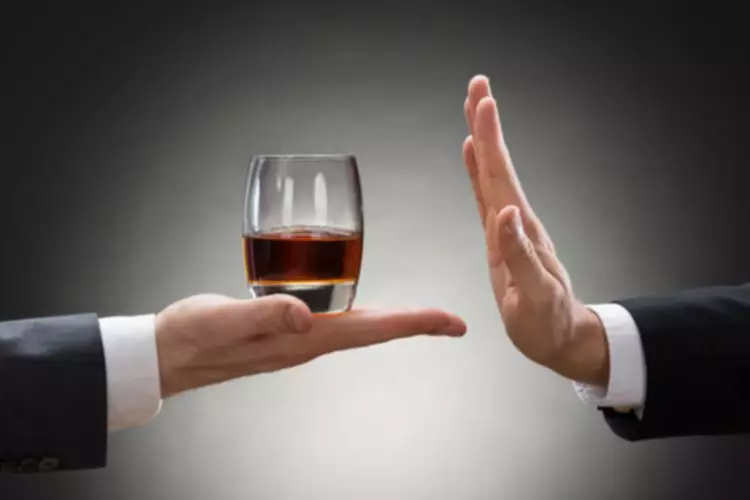
This phrase, by the way, dates to the days when people thought you could cure rabies by sipping a potion made from the fur of the beast that bit you. If you’re 21, your ability to detoxify alcohol is different than if you’re 40 (or even 28), says Dr. Pedre. “As we get older, our cells age, and we might not be able to process toxins as we did when we were younger,” he says. So while three drinks was fine back in the dorms sophomore year, that amount may feel like double that 10 years later.
- Grace Walsh is woman&home’s Health Channel Editor, working across the areas of fitness, nutrition, sleep, mental health, relationships, and sex.
- Aspirin and ibuprofen (Advil, Motrin IB, others) can cause your stomach to make more acid, which can irritate your stomach.
- The one feature that doesn’t suffer much when hungover?
- After drinking too much, some people also sweat more, vomit, and experience digestive issues like diarrhea, all of which cause the body to lose fluid.
- You may think you fall asleep and stay asleep longer after consuming alcohol, but the type of sleep you get does more harm than good.
- Some experts state that the symptoms of a hangover peak when a person’s blood alcohol level reaches 0.
Predictors of hangover severity
You drank too much last night, and now you feel it all over your body. It can be tempting to try quick hangover remedies, like a shower, coffee or greasy breakfast. But the best hangover cure is to wait it out and drink lots of water.
You drank darker spirits
A hangover typically lasts anywhere from 12 to 36 hours, although it could last in some cases for up to 72 hours. “Alcohol has a diuretic effect—heavy drinking may maximize that,” says Vincent Pedre, MD, author of Happy Gut. Drinking can dehydrate you—even more so if you’re vomiting or suffering from diarrhea. And this, on top of mineral imbalances (from the influx of booze and loss of fluids and electrolytes), can slow how fast your body detoxifies itself, he explains. The single best prevention against the development of a hangover is to abstain from drinking completely.
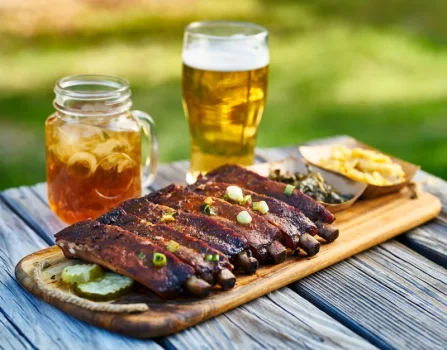
What Are Hangovers?
A hangover is usually caused by excessive drinking (drinking to intoxication). The typical course of a hangover is that it begins after the symptoms of intoxication have worn off. A hangover is usually first apparent when the blood alcohol level begins to fall and peaks in severity once the level is 0 and all the alcohol has been metabolized. Hangovers are usually experienced the morning after a night of heavy drinking since you are not conscious of the hangover during sleep. A hangover typically completely dissipates 24 hours after it begins but can dissipate much sooner. There is some evidence that vitamin B6 taken before drinking can be mildly helpful.
What causes hangovers?
- While you wait for your hangover to end, try to rest and drink plenty of hydrating fluids.
- This suggests that the red ginseng increased the speed of ethanol’s conversion to acetaldehyde.
- A thin, Japanese teetotaling woman taking prescription painkillers will clearly have more problems with a few drinks than a 250 pound linebacker who regularly drinks four beers a night.
Since liver function slows down as we age, acetaldehyde tends to last longer https://ecosoberhouse.com/ in the system of older people. One strategy that some find beneficial is to alternate between an alcoholic beverage and water. This will help keep you hydrated and, since you would be drinking so much liquid, it may inadvertently keep you from drinking too much alcohol. Grace Walsh is woman&home’s Health Channel Editor, working across the areas of fitness, nutrition, sleep, mental health, relationships, and sex. In 2024, she will be taking on her second marathon in Rome, cycling from Manchester to London (350km) for charity, and qualifying as a certified personal trainer and nutrition coach.
Research shows that hangovers generally last for about 14 to 23 hours, with some extending up to about the 72-hour mark. But on average, a hangover should end about 12 hours after stopping drinking. “Hangovers are somewhat poorly understood from a medical standpoint,” says Fred Goggans, MD, the medical director of McLean Hospital’s McLean Borden Cottage in Camden, Maine.
Medical Professionals
While not a Oxford House disease we treat at the Johns Hopkins Headache Center, delayed alcohol-induced headaches are extremely common, disabling and costly to society. This material is provided for general education purposes. One reason is that congeners are more challenging for the body to metabolize than ethanol. The more congeners you consume, the harder it is for metabolism to function.
While drinking certain types of alcohol can make you feel sleepy, overall drinking is more likely to prevent you from getting a good night’s sleep and disrupt your bedtime routine. Bradley Sleep and Chronobiology Laboratory, drinking up to three alcoholic drinks can make you fall asleep fast, but it ultimately leads to more sleep disruption throughout the night. So if you want to try and avoid a hangover in the future, opt for lighter spirits like gin or vodka over whisky or rum, white wine over red. You could also opt for drinks with a lower ethanol content, like low alcohol wine. How you experience what it is to have a ‘hangover’ depends on how much you drink and a combination of other factors, such as hydration, blood sugar levels, age, and genetics. Much like everything to do with the how long does a hangover last body, everyone is different when it comes to how they respond to alcohol.
- Experiments have shown that clear liquors, such as vodka and gin, tend to cause hangovers less frequently than dark ones, such as whiskey, red wine, and tequila.
- Rather than being heavy handed here, just go in where needed with a light-weight layer, then add concealer only where needed.
- These effects can negatively impact your physical and mental health, interfering with how you function.
You may end up feeling more restless, anxious and irritable than before you drank. There’s evidence that reduced sleep after drinking leads to more severe hangovers. Some people take pain relievers to prevent hangover symptoms. But ask your healthcare professional if this is safe for you and how much medicine is best for you. These medicines may not work well together with other medicines you take.
