
What is Margin in Forex Trading?
Margin is a fundamental concept in forex trading, essential for both new and experienced traders. It constitutes the amount of capital required to open and maintain a position in the market. Understanding margin is critical, as it can significantly influence a trader’s profitability and risk exposure. For a deeper dive into trading strategies and resources, visit what is margin in forex trading https://trading-connexion.com/.
1. The Basics of Margin
In forex trading, margin is not a fee or a cost, but rather a good faith deposit that is required to open a leveraged position. Forex markets allow traders to use leverage, which means they can control a larger position size than the actual capital they have in their trading account. For example, with a leverage of 100:1, a trader can control a position of $100,000 with just $1,000 in their margin account.
1.1. Margin Requirement
The margin requirement is expressed in percentage terms and represents the portion of the full position size that must be funded with the trader’s own capital. Using the previous example, to open a $100,000 position at a 1% margin requirement, a trader needs $1,000 in their account. The remaining capital is essentially borrowed from the broker.
2. How Margin Works in Forex
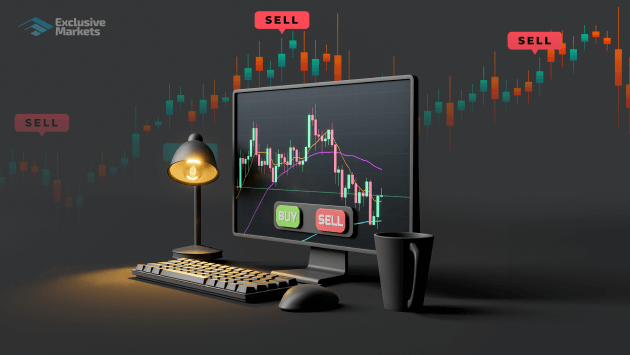
When a trader enters a trade, they are required to have a certain amount of margin in their account. This margin acts as a safety net for the broker, ensuring that the trader can cover any potential losses. If the market moves against the position significantly, the broker will issue a margin call, requiring the trader to either add funds to their account or close some positions.
2.1. Types of Margin
There are generally two types of margin that traders should be aware of: initial margin and maintenance margin.
- Initial Margin: This is the amount required to open a new position. It is based on the position size and the margin requirement set by the broker.
- Maintenance Margin: This is the minimum amount of equity that must be maintained in a trader’s account to keep the position open. If equity falls below this level, a margin call will ensue.
3. Leverage and Margin Relationship
Leverage is often associated with margin. In forex trading, leverage allows traders to control larger positions than their account balance would normally allow. However, while leverage can amplify profits, it also increases the risk of significant losses, which makes understanding margin even more critical.
3.1. The Leverage Effect
For example, if a trader uses a leverage of 50:1, it means they can control a position worth $50,000 with just $1,000 in margin. This magnifies both potential profits and potential losses, making sound margin management essential.

4. The Importance of Margin Management
Effective margin management is crucial in forex trading for several reasons:
- Control Risks: By understanding and managing margin, traders can avoid unnecessary losses that come from over-leveraging their positions.
- Protect Trading Capital: Proper margin management helps protect a trader’s capital against margin calls and helps ensure long-term trading success.
- Maximize Profit Opportunities: Knowing how to effectively use margin allows traders to take advantage of profitable opportunities without overextending their resources.
5. Tips for Effective Margin Management
To manage margin effectively, consider the following tips:
- Use Smaller Leverage: While it may be tempting to use high leverage for potential greater returns, using lower leverage can significantly reduce risk.
- Monitor Market Movements: Stay vigilant with market analysis to anticipate changes that could affect your positions.
- Set Stop-Loss Orders: Implement stop-loss orders to automatically close positions when they reach a certain level of loss, helping limit potential losses.
- Keep an Eye on Margin Levels: Regularly check your margin levels and ensure they meet your trading strategy requirements.
6. Conclusion
In conclusion, margin in forex trading is a vital component that every trader must understand and manage effectively. It serves as a necessary requirement to engage in leveraged trading, presenting both opportunities and risks. By adopting disciplined margin management practices, traders can improve their chances of success while minimizing the risks associated with trading on margin. Therefore, whether you are a beginner or an experienced trader, continuously educating yourself about margin and its implications is key to thriving in the forex market.
